THE SMALLEST AND… THE STRONGEST
17.11.2025
November 17 is World Prematurity Day. Each of these babies comes into the world before their time, but with their first breath, they begin a fight for life, together with neonatologists and those who, remaining outside the walls of perinatal centers, help them survive.
Together for life
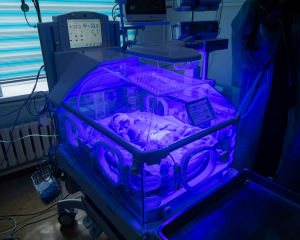
Every year, over 20,000 premature babies are born In Kazakhstan. Each of them requires specialized care, therapy, controlled temperature and humidity, and round-the-clock monitoring by medical staff.
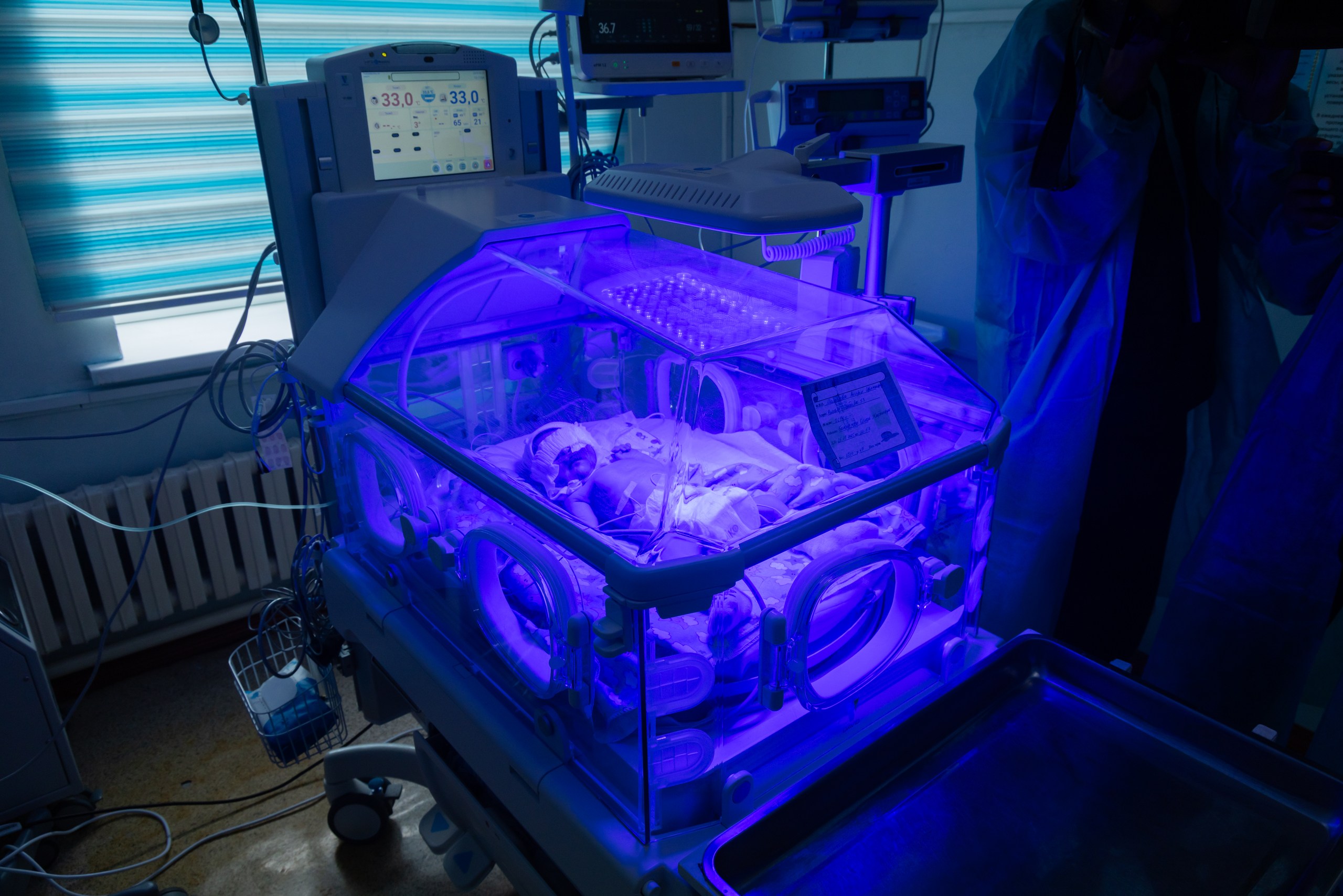
For thousands of mothers, the name of AYALA Foundation has become a symbol of life, because their prematurely born children spent many days and weeks in incubators, on ventilators, and under phototherapy lamps which were provided to perinatal centers by this charitable organization.
Since 2007, with the support of partners such as Chevron, GASENERGY, Halyk Bank, and others, the Foundation has equipped tens of medical facilities with modern equipment for the amount of over 2.4 billion tenge. In partnership with the Ministry of Health, the «Breath Life» project has significantly reduced infant mortality rates, including among premature infants.
According to the Bureau of National Statistics, in the first six months of 2025, the infant mortality rate in Kazakhstan decreased by 26.3%, and the newborn survival rate increased from 88% to 93%. From January to June 2025, the infant mortality rate was 6 cases per 1,000 live births, which is comparable to the rates in Eastern European countries and significantly lower than the average for Central Asia.
The Ministry of Health attributes this significant decrease to the strengthening of the perinatal care system, the professional development of medical staff, and the implementation of modern protocols for newborn care.
Behind these numbers are thousands of children’s fates, for whom victory over death has become possible.
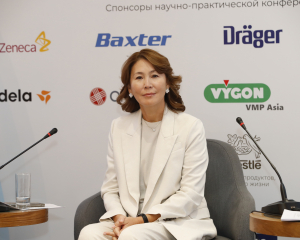
“The systematic nature of our work lies in addressing specific bottlenecks — such as the lack of modern resuscitation equipment or the shortage of specific competencies among neonatologists. This approach scales up to hundreds of lives saved annually,” Aidan Suleimenova, the Founder and President of AYALA Charity Foundation notes.
Equipment for Real Miracle
Over 18 years of work, the Foundation has become a catalyst for significant changes in the field of neonatology in Kazakhstan. Thank to equipping hospitals with ventilators, CPAP systems, incubators, resuscitation tables, phototherapy lamps, and many other vital devices, doctors in the regions can now save even the smallest low-birth-weight newborns.
For instance, doctors at the maternity hospital in Zharkent saved the lives of three children, including one premature baby immediately after receiving the equipment in September of this year.
“About 3,000 children are born per year in our district. About a hundred of them require intensive care – these are babies born prematurely, with a critically low birth weight from 500 grams, or with congenital disorders. They all come to us and require special care and specific equipment,” says Zhanat Mergenbayeva, Deputy Director of the Maternity and Childhood Department of the Panfilov Multidisciplinary Interdistrict Hospital in Zhetysu Region. – “Our specialists require resuscitation tables to provide rapid assistance in an emergency. Ventilators and CPAP machines support and restore respiratory function in premature newborns. We did not expect to receive all the necessary assistance so quickly and in full. We express our deep gratitude to AYALA Charity Foundation for their attention to our needs.”
According to Bekturgan Karin, the Chief Freelance Neonatologist of the Ministry of Healthcare of the Republic of Kazakhstan, the improvement in the infant mortality situation is the result of a comprehensive set of measures related to providing care for newborns, especially those born prematurely.
«Every child deserves a chance for life, and modern resuscitation equipment plays a decisive role here. The state is not always able to equip all medical centers with such equipment promptly. Therefore, cooperation with AYALA Foundation allows addressing acute problems in neonatal care in quick and effective manner,» the expert emphasizes.
Knowledge that Saves Lives
According to Aidan Suleimenova, the Foundation’s role model is based on systematic approaches, professionalism, and transparency, with full accountability for every tenge of partner funds. An equally important focus of our work is developing the professional competencies of medical staff at perinatal centers and maternity wards in Kazakhstani hospitals.
«We believe that knowledge transforms the healthcare system, improving it step by step and making it as efficient and accessible as possible. This is why AYALA Foundation holds large-scale educational forums and master classes as part of the AYALA Academy project,» Aidan Suleimenova emphasizes.
Over 2,300 specialists — neonatologists, obstetricians, nurses, and ultrasound doctors from all regions of Kazakhstan have received training from experts from 14 countries worldwide, including Canada, the USA, the UAE, Australia, and South Korea. The training format is practical that allows medical professionals to apply new knowledge immediately and save babies’ lives right here in Kazakhstan.
Restoring Sight to Premature Infants
AYALA Foundation’s particular source of pride is I Can See the World project which gives premature infants a chance at healthy vision and a full future.
From 2022 to 2025, the Foundation equipped state perinatal centers across the country with 11 retinal cameras, 7 lasers, 17 ophthalmoscopes, and necessary medications, totaling over 550 million tenge. More than 11,000 newborns have been examined using this equipment.
In some regions, such as Atyrau region, there were no cases of blindness in premature infants recorded in the past year.
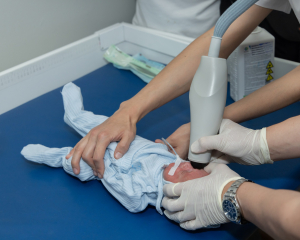
With the support of The Courage to Be First Foundation and the Almaty Marathon athletes, AYALA Foundation has installed a retinal camera at the Shymkent City Perinatal Center. Retinopathy can lead to vision loss in 36% of prematurely born babies, but early diagnosis with the new equipment significantly reduces these risks. Every premature child undergoes two to eight examinations on this equipment, which can only be operated by highly qualified neonatal ophthalmologists.
“From December to May of this year, 150 premature newborns were examined in our center. Early diagnosis and timely treatment have made it possible to preserve the vision of 20 children diagnosed with retinopathy. Approximately 8,000 children are born in our center annually, and now all of them will be able to undergo accurate eye screening before their discharge and receive necessary assistance in a timely manner,” Gulbanu Syzdykova, Chief Physician of the Shymkent City Perinatal Center, notes.
Significant progress has been made in neonatal ophthalmology in Kazakhstan over the past ten years: protocols for the early diagnosis of retinopathy of prematurity have been implemented, more than 40 neonatal ophthalmologists have been trained, and regional teams have been established.
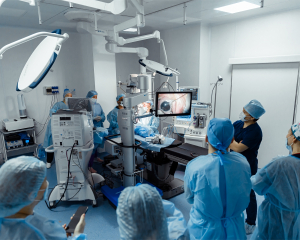
However, a real breakthrough occurred this year: surgeries for severe, terminal stages of retinopathy in premature infants can now be performed within Kazakhstan.
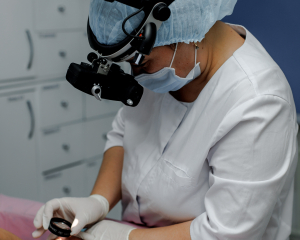
Previously, parents were forced to seek doctors and funding abroad — in Turkey, India, and Russia. Today, all the necessary resources are available in Almaty. Kazakh ophthalmologists, after advanced training with a leading global ophthalmologist, Professor Nikhil Pal, now possess the required knowledge and techniques.
The Constellation Vision System, installed at the Almaty Center for Pediatric Emergency Medicine, enables the doctors to perform the most complex surgeries even on the smallest patients. The equipment was provided to the ophthalmology department thank to the partnership between AYALA Foundation and the Chevron company as part of “I Can See the World” project.
“The most important outcome for us is that parents no longer need to urgently seek funds for their children’s treatment abroad. High-tech medical care is now available in Kazakhstan. This is a step towards a system where every child has a chance for a happy childhood with preserved vision,” Aidan Suleimenova adds.